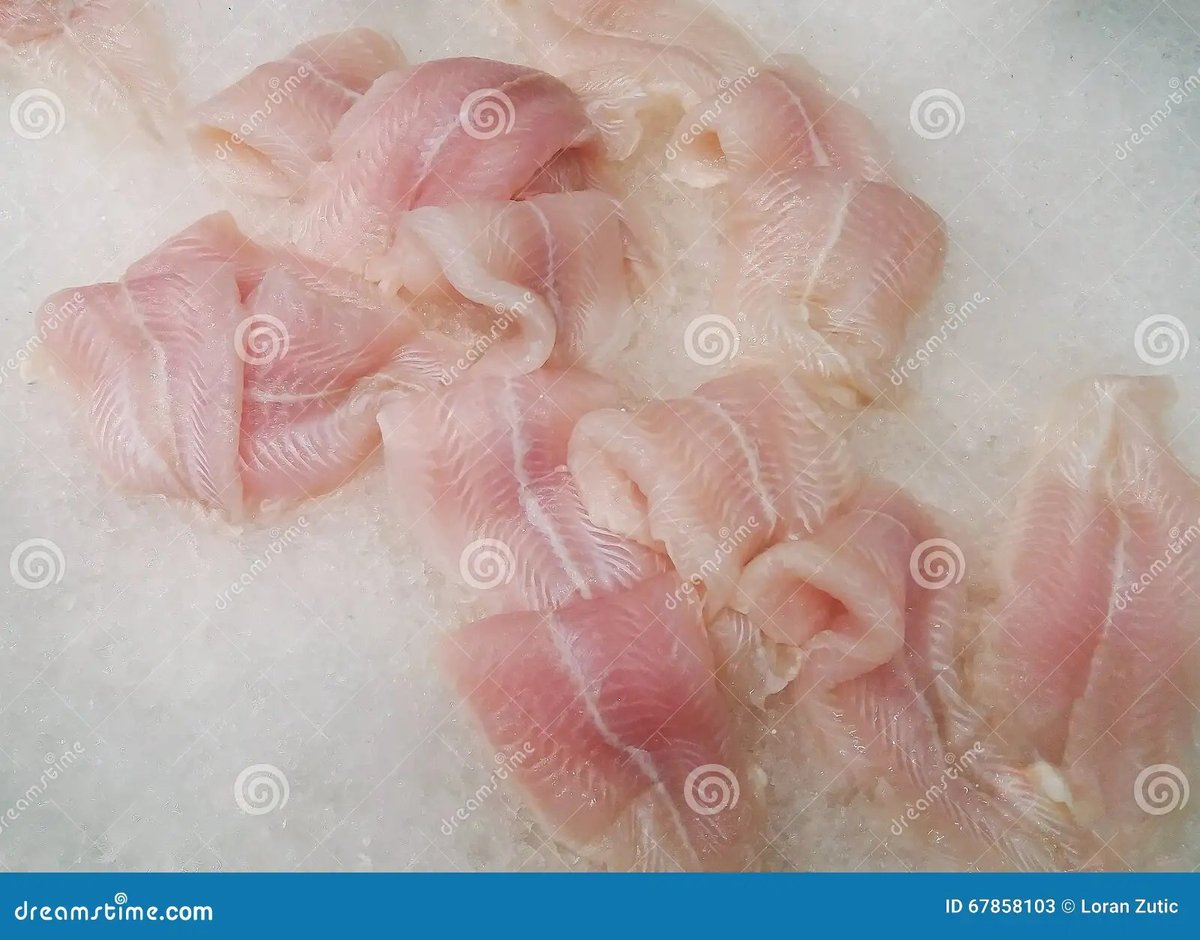
The humble Dori fish, often recognized as Basa or Pangasius, has navigated a complex journey from its Mekong Delta origins to dinner plates around the globe. Once a readily available freshwater catch, its popularity exploded, bringing with it both economic opportunity and significant sustainability challenges. Today, however, leading producers are rewriting the narrative, embracing innovative approaches like circular economy models to ensure the future of this widely consumed fish. This isn't just about farming fish; it's about pioneering a holistic, regenerative approach to aquaculture that could redefine how we source our seafood.
At a Glance: What You Need to Know About Sustainable Dori Fish
- Many Names, One Fish: "Dori fish" in the UK typically refers to Pangasius (Pangasianodon hypophthalmus), also known as Basa, Swai, Tra, or River Cobbler.
- Farm-Raised Dominance: While wild populations are endangered, most Pangasius consumed today is sustainably farmed, primarily in Vietnam.
- The Circular Economy Edge: Leading producers are transforming waste from fish processing and farming into valuable new products, minimizing environmental impact.
- Beyond Fillets: Fish skin, bones, and trimmings are being converted into collagen, gelatin, fishmeal, fish oil, and even organic fertilizers.
- Smart Water Use: Systems like In-Pond Raceways (IPRS) are optimizing water reuse, reducing discharge, and improving farming efficiency.
- Innovative Feed: Investment in sustainable aquafeed, including insect-based protein, is reducing reliance on wild-caught fish for feed.
- Your Power as a Consumer: Choosing responsibly sourced Pangasius supports these pioneering efforts and helps drive positive change in the seafood industry.
Unpacking the Popularity of Pangasius: What is Dori Fish?
When you see "Dori fish" on a menu or "Basa" in the freezer aisle, you're almost certainly looking at a species from the Pangasiidae family, most commonly Pangasianodon hypophthalmus. These freshwater catfish varieties are prized for their mild flavor, firm white flesh, and versatility in the kitchen. Their affordability and availability have made them a global staple, a journey that began in the rich, fertile waters of the Mekong River in Southeast Asia.
Historically, Pangasius was a significant wild catch in the Mekong. However, as global demand surged, wild populations became critically endangered. This led to a crucial shift in the mid-1990s: the development of commercial hatcheries and artificial propagation techniques. Instead of relying on dwindling wild juveniles, farmers learned to breed Pangasius efficiently, marking the transition from a traditional fishery to a booming aquaculture industry.
Today, the vast majority of Pangasius comes from farms, predominantly pond-based systems. Vietnam remains the global hub, producing over a million tonnes annually, primarily from large, integrated operations. Other significant producers include India, Bangladesh, and Indonesia. This pivot to aquaculture was essential for meeting demand, but it also introduced a new set of environmental considerations: how to farm at scale without negatively impacting ecosystems or generating excessive waste.
The Sustainability Crossroads: Why Responsible Sourcing Matters
Any large-scale food production system faces environmental challenges, and aquaculture is no exception. For Pangasius, early concerns included:
- Water Quality: High stocking densities in traditional ponds could lead to nutrient-rich wastewater discharge, impacting local aquatic environments.
- Feed Ingredients: Historically, aquafeeds often relied on fishmeal and fish oil derived from wild-caught fish, putting pressure on ocean ecosystems.
- Byproduct Waste: Processing large volumes of fish can generate substantial waste—up to 80% of the fish by weight can be trimmings, bones, and organs.
- Disease Management: The potential for disease outbreaks in dense farming operations can lead to antibiotic use, a concern for both environmental and human health.
Addressing these challenges isn't just good practice; it's essential for the long-term viability of the industry and the health of our planet. This is where the concept of a circular economy in aquaculture steps in, offering a transformative solution to turn challenges into opportunities.
Pioneering a Circular Model: The Vinh Hoan Blueprint
One of the world's leading Basa fish producers, Vinh Hoan Corporation in Vietnam, has emerged as a frontrunner in applying circular economy principles to its entire value chain. Their model is a powerful example of how aquaculture can be not just sustainable, but regenerative, converting outputs into inputs for other value streams.
From Waste to Wealth: Maximizing Processing Byproducts
Imagine a fish processing plant where "waste" is a misnomer. This is the vision driving Vinh Hoan. In traditional fillet processing, a significant portion of the fish—trimmings, bones, skin, and organs—might be discarded or sold at low value. Vinh Hoan saw opportunity in this, aiming for a "zero waste" philosophy.
Since 2011, they've been innovators in producing high-value products from what was once considered waste. Basa fish skin, for instance, is no longer merely a byproduct; it's a valuable ingredient for various industries. Beyond skin, other byproducts are skillfully processed into:
- Surimi: A versatile paste used in various seafood products.
- Fish Oil: Rich in omega-3 fatty acids, for nutritional supplements and other applications.
- Fishmeal: A protein-rich ingredient for animal and aquafeeds.
- Hydrolyzed Collagen and Gelatin: Highly sought-after ingredients for food, cosmetics, and pharmaceuticals, leveraging the inherent properties of fish bones and skin.
These aren't just eco-friendly initiatives; they're strategic revenue drivers, demonstrating that sustainability can go hand-in-hand with economic growth.
Water Wisdom: The In-Pond Raceway System (IPRS)
Beyond the processing plant, the farm itself offers vast opportunities for circularity. Vinh Hoan is piloting the In-Pond Raceway System (IPRS) model for basa and pangasius cultivation. This innovative system is designed for continuous water reuse within the ponds, minimizing the need for fresh water input and significantly reducing wastewater discharge.
Think of it like a closed-loop system for water. Fish are contained in raceway channels within a larger pond, allowing for controlled feeding and waste collection. Water is continuously circulated, treated, and reused, enhancing economic efficiency and optimizing natural resource use. This approach drastically reduces the environmental footprint associated with traditional pond aquaculture, ensuring cleaner operations and healthier aquatic environments.
Feeding the Future: Aquafeed Innovation and Insect Protein
A crucial aspect of aquaculture sustainability is the feed itself. Vinh Hoan's commitment to a circular model extends to its supply chain for fish feed. In Q2 2022, they brought their own aquafeed factory online, with an impressive production capacity of about 350,000 tons per year. This vertical integration allows greater control over feed quality, ingredients, and the environmental impact of its production.
Further pushing the boundaries, Vinh Hoan's technology division, Vinh Technology, is investing in cutting-edge innovations. A notable example is their investment in Entobel, a Singaporean biotech company specializing in insect meal. Insect meal offers a highly sustainable alternative to traditional fishmeal and soy-based feeds, as insects can be reared on organic waste, closing another loop in the food system. This move underscores a proactive approach to securing sustainable protein sources for future aquaculture, reducing reliance on finite resources.
Closing the Loop on the Farm: Organic Fertilizers from Industrial Waste
The circular journey doesn't stop at feeding the fish or processing them. In early 2021, Vinh Hoan invested in Mai Thien Thanh Co., Ltd., a company that specializes in processing industrial fish waste into organic fertilizers and clean soil for agriculture. This closes a critical loop: what remains after maximum value extraction from fish byproducts returns to the land, nourishing crops and enriching soil. It’s a powerful example of how one industry's "waste" becomes another's valuable resource, reducing landfill burden and promoting healthier agricultural practices.
Decoding Responsible Sourcing: What to Look For
As a consumer or buyer, understanding the journey of your Dori fish allows you to make more responsible choices. Here's what to consider:
- Certifications: Look for certifications from reputable organizations like the Aquaculture Stewardship Council (ASC). ASC certification indicates that the farm has met rigorous standards for environmental responsibility and social welfare.
- Company Transparency: Reputable producers are transparent about their practices. Look for companies that openly share information about their farming methods, processing, and sustainability initiatives on their websites. Vinh Hoan's detailed approach to circularity, for instance, is a strong indicator of their commitment.
- Origin: While many countries farm Pangasius, Vietnam has been at the forefront of developing sustainable practices and integrated models. Knowing the origin can often provide clues about the potential for responsible production.
- "Basa" vs. "Pangasius": While often used interchangeably, "Basa" specifically refers to Pangasianodon hypophthalmus, the dominant farmed species. Regardless of the name, the key is the producer's sustainability commitment.
Choosing Dori fish from producers committed to these practices means you’re not just buying seafood; you’re supporting an industry striving for a better, more sustainable future. For a deeper dive into this versatile fish, explore Your complete guide to dori fish.
Addressing Common Questions About Dori Fish
Given its popularity and the historical scrutiny of aquaculture, it’s natural to have questions about Dori fish.
Is Dori fish actually catfish?
Yes, Basa/Pangasius is a type of freshwater catfish. It belongs to the Pangasiidae family, often referred to as "river cobbler" or "Vietnamese catfish."
Is Dori fish sustainable?
It can be highly sustainable when sourced from responsible farms. Wild Pangasius populations are endangered, so purchasing farmed Pangasius is crucial. Look for certifications like ASC to ensure it meets rigorous environmental and social standards, particularly from producers employing circular economy models.
Is Dori fish good for you?
Yes, Basa is a lean source of protein and provides essential omega-3 fatty acids, albeit typically in lower amounts than fattier fish like salmon. Its mild flavor also makes it a versatile and accessible option for many diets.
Does Dori fish contain antibiotics?
Responsible aquaculture practices aim to minimize antibiotic use. Certified farms (e.g., ASC) have strict guidelines regarding disease prevention and treatment, often emphasizing robust biosecurity and water quality management over routine antibiotic application. Always check for third-party certifications.
Why is Dori fish so affordable?
Pangasius farming is highly efficient, particularly in regions like the Mekong Delta where climate and resources are favorable. Advances in hatchery technology, feed conversion ratios, and integrated processing allow for cost-effective production, making it an accessible protein source globally.
Your Role in a Sustainable Seafood Future
The journey of Dori fish, from a threatened wild species to a sustainably farmed global commodity, is a testament to human ingenuity and commitment to change. Producers like Vinh Hoan are not merely adapting to sustainability demands; they are actively shaping the future of aquaculture through innovative circular economy models. By transforming waste into valuable resources, optimizing water use, and investing in advanced feed solutions, they are demonstrating that it’s possible to feed a growing population while simultaneously protecting our planet.
As consumers and industry stakeholders, our choices hold power. By seeking out Dori fish from producers committed to these forward-thinking, circular practices, you become an integral part of this positive transformation. You encourage more companies to adopt similar models, drive demand for responsibly sourced seafood, and contribute to a food system that is truly regenerative, resilient, and ready for the future. The next time you enjoy Dori fish, remember that behind that mild, flaky fillet is a story of innovation, environmental stewardship, and a pioneering circular model.