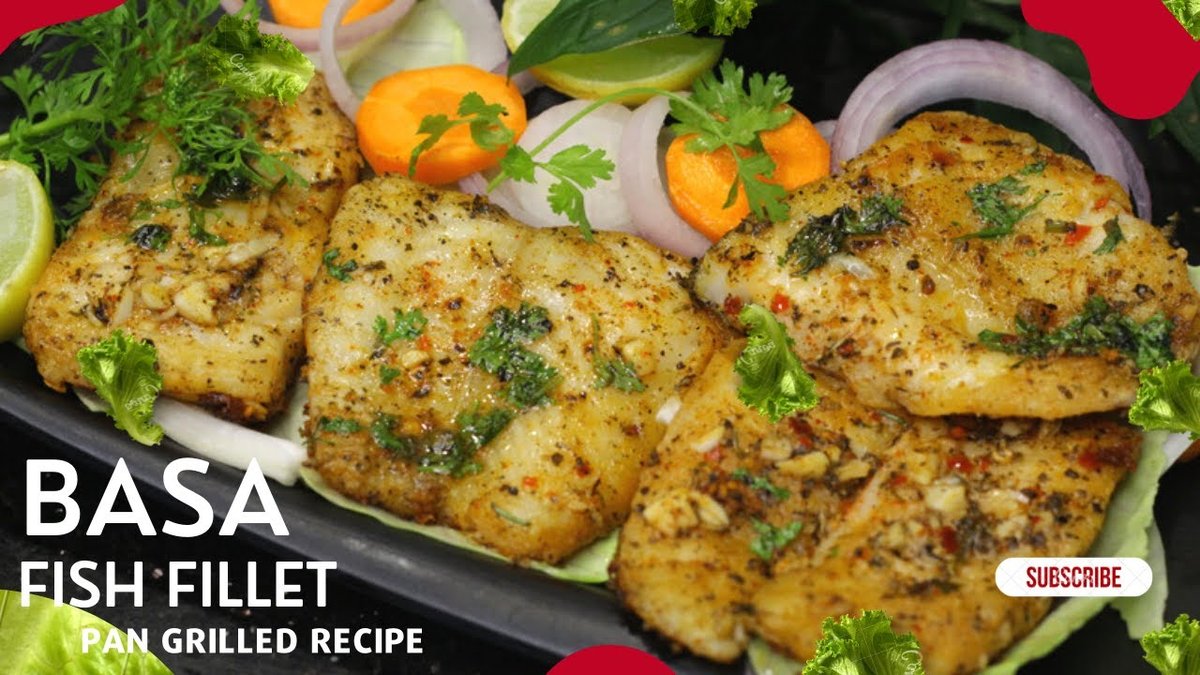
The world of white fish can feel like a labyrinth of similar-sounding names and subtle differences, making the simple act of choosing dinner a surprisingly complex affair. Perhaps you’ve spotted "dori fish" on a menu or in the frozen aisle, only to wonder if you’re actually looking at basa, or perhaps something else entirely. If you're navigating the waters of Dori Fish Comparisons: Basa vs. Other White Fish, you're in the right place. We're here to demystify this popular fish, explain its unique appeal, and stack it up against its common counterparts so you can choose wisely, cook confidently, and truly enjoy your meal.
Think of this guide as your trusted culinary compass, pointing you toward the perfect white fish for any dish, preference, or budget.
Your Quick Guide to Basa & White Fish Choices: At a Glance
- Basa (aka Dori Fish): A type of catfish from Southeast Asia.
- Flavor Profile: Exceptionally mild, almost neutral; rarely "fishy."
- Texture: Flaky but firm enough to hold its shape well when cooked.
- Cooking Versatility: Extremely adaptable—bakes, grills, pan-fries beautifully.
- Affordability: Generally one of the most budget-friendly white fish options.
- Nutritional Value: Good source of protein, low in fat.
- Key Consideration: Sustainability varies; look for certified brands.
- Ideal For: Absorbing flavors, quick meals, fish tacos, curries, or for those who prefer a less "fishy" taste.
What Exactly is Basa? (And Why All the Buzz?)
Let's clear the air right away: when you hear "dori fish" in many parts of the world, particularly in Asian cuisine or export markets, it often refers to basa. Basa fish, scientifically known as Pangasius bocourti or more broadly Pangasius hypophthalmus, is a species of freshwater catfish. It hails primarily from the Mekong Delta in Vietnam, where it's extensively farmed. Its popularity surged globally due to its incredibly mild flavor, tender texture, and competitive price point, making it an accessible protein for countless households and restaurants.
The name "dori" itself can be a bit of a misnomer, sometimes conflated with the John Dory (a different, highly prized marine fish). However, in common usage, especially in the context of frozen fillets, "dori" has become synonymous with basa. This widespread adoption is a testament to its unassuming nature and culinary malleability. It's the kind of fish that happily takes on the flavors you introduce, rather than dominating the dish with its own distinct taste.
Basa's Culinary Profile: Flavor, Texture, and Versatility
Imagine a canvas for your culinary creations—that's basa. Its flavor is remarkably subtle, often described as clean, sweet, and without any strong "fishy" undertones. This makes it an excellent choice for those new to cooking fish, or for families with picky eaters who might shy away from stronger oceanic flavors. You won't find the robust, briny notes of a wild salmon here, but rather a gentle backdrop for herbs, spices, and sauces.
When it comes to texture, basa strikes a pleasing balance. It’s flaky, much like cod, but possesses a slightly firmer consistency that helps it hold its shape remarkably well during cooking. This characteristic sets it apart from more delicate fish like tilapia, which can sometimes fall apart if not handled carefully. Its ability to retain structure makes it ideal for everything from pan-searing to grilling, or even simmering in a flavorful curry.
Its versatility truly knows no bounds. Need a quick weeknight meal? Basa cooks up in minutes. Craving fish tacos? Basa's mildness and firm flakes are perfect. Want a healthy protein for a stir-fry or salad? Basa is your friend. This adaptability is a major reason why it has become such a staple in kitchens worldwide, earning its place alongside other popular white fish options.
The Nutritional Lowdown: Basa vs. Its Peers
When you consider adding fish to your diet, nutrition is often a key factor. Basa stands out as a lean protein source, making it a good choice if you're mindful of your calorie intake or aiming for a protein-rich diet. A typical serving offers a substantial amount of protein while being relatively low in fat. This nutritional profile makes it comparable to many other white fish species.
However, it's worth noting that the exact nutritional value of basa, like any farmed fish, can fluctuate based on specific farming practices, feed, and processing methods. Generally, it provides essential amino acids and is low in saturated fat, contributing positively to a balanced diet. While it may not boast the high omega-3 fatty acid content of fattier fish like salmon or mackerel, it remains a healthy option for regular consumption. For a deeper dive into the impressive health benefits of including fish in your diet, exploring various types can provide a comprehensive picture.
Cooking with Confidence: Tips for Perfect Basa
One of basa's greatest assets is how forgiving it is to cook. Whether you're a novice in the kitchen or a seasoned chef, achieving delicious results is straightforward. The key, as with most fish, is to avoid overcooking, which can lead to a dry, rubbery texture.
The Golden Rule: Cook basa until it's opaque throughout and flakes easily with a fork. An internal temperature of 145°F (63°C) is your target. Given its thin fillets, this usually takes only a few minutes per side, depending on your chosen method.
Here are some popular ways to prepare basa:
- Pan-Frying: This is arguably the quickest and most flavorful method. Lightly coat your basa fillets with a little oil, season generously with salt and pepper, and add a squeeze of fresh lime juice. For an extra kick, consider adding minced garlic, grated ginger, or a pinch of red pepper flakes to your pan. Sear for 2-4 minutes per side over medium-high heat until golden brown and cooked through.
- Baking: A hands-off approach perfect for busy weeknights. Toss the fillets with a drizzle of olive oil, your favorite herbs (rosemary and thyme work beautifully), and a generous squeeze of lemon juice. For added sweetness and color, scatter some cherry tomatoes around the fish before baking at 400°F (200°C) for 10-15 minutes.
- Grilling: Basa holds up surprisingly well on the grill thanks to its firm texture. Marinate briefly in a light dressing, then grill over medium heat for 3-5 minutes per side. Using a grilling basket can prevent sticking and make flipping easier.
- Steaming or Poaching: For a very light and healthy preparation, basa can be steamed or poached in broth or water with aromatics. This method keeps the fish incredibly moist and tender.
Basa's mildness makes it an excellent candidate for pairing with bold sauces, vibrant salsas, or aromatic spices. Think along the lines of roasted vegetables, fluffy rice, quinoa, or a crisp salad. It's also a star in fish tacos, where it readily absorbs the flavors of your toppings. If you're looking for inspiration, there are countless delicious basa recipes that showcase its versatility.
Beyond the Plate: Sustainability and Sourcing Smarts
For many consumers today, the journey of their food from farm to table is just as important as its taste and nutritional value. The sustainability of basa farming is a topic that has generated considerable discussion. As a rapidly growing aquaculture product, basa production has faced scrutiny regarding environmental practices and worker welfare in some regions.
However, the industry has also made strides towards more responsible farming. Many producers now adhere to stringent international standards, earning certifications from organizations like the Aquaculture Stewardship Council (ASC) or Best Aquaculture Practices (BAP). These certifications indicate that the fish has been farmed in an environmentally and socially responsible manner.
If sustainability is a priority for you (and it should be!), always look for basa brands that display these certification labels on their packaging. This empowers you to make an informed choice that supports better practices. Understanding making sustainable seafood choices is crucial for protecting our oceans and ecosystems.
Basa vs. The Big Players: A Head-to-Head Comparison
Now, let's put basa into perspective by comparing it to other popular white fish you'll commonly find in your grocery store. Understanding these differences will help you decide which fish best suits your recipe and palate.
Basa vs. Cod
- Flavor: Basa is milder, almost neutral. Cod has a slightly more pronounced, delicate, and briny "fish" flavor.
- Texture: Basa is flaky but firm. Cod is famously flaky and tender, often separating into large, succulent flakes. It's generally considered softer than basa.
- Versatility: Both are highly versatile. Cod is a classic for fish and chips, while basa is a go-to for absorbing bolder flavors.
- Affordability: Basa is typically more affordable than cod, especially wild-caught cod.
- Sustainability: Both have varying sustainability profiles. Look for certified options.
Basa vs. Tilapia
- Flavor: Both are very mild, with tilapia perhaps having an even fainter flavor than basa, though both are far from "fishy."
- Texture: Basa is firmer and holds its shape better. Tilapia is very tender and flaky, sometimes to the point of being delicate and prone to breaking apart if overcooked or handled roughly.
- Versatility: Highly versatile. Tilapia is often fried or baked, while basa excels in a wider range of preparations due to its better structural integrity.
- Affordability: Both are very affordable, often competing for the lowest price point in the white fish category.
- Sustainability: Similar to basa, tilapia sustainability depends heavily on farming practices. Look for certifications.
Basa vs. Haddock
- Flavor: Haddock has a distinct, sweet, and clean "oceanic" flavor, slightly stronger than cod and significantly more robust than basa.
- Texture: Haddock is very tender and flakes beautifully, similar to cod but with finer flakes. It can be more delicate than basa.
- Versatility: Excellent for frying (think fish and chips), baking, and steaming. Basa might be preferred for dishes where you want the fish to blend into the sauce more.
- Affordability: Generally more expensive than basa, often comparable to or slightly less than cod.
- Sustainability: Good sustainable options are available for haddock, particularly from well-managed fisheries.
Basa vs. Sole/Flounder
- Flavor: Sole and flounder are known for their incredibly delicate, sweet, and mild flavor, often considered amongst the finest of white fish for their subtlety.
- Texture: Very delicate, thin, and fine-flaked. They are often pan-fried or baked whole or as thin fillets.
- Versatility: Best suited for simple preparations that highlight their delicate flavor and texture, such as pan-searing with butter and lemon. Basa is more robust for heartier dishes.
- Affordability: Typically more expensive than basa, sometimes significantly so, due to their premium status.
- Sustainability: Depends on the specific species and fishing methods.
Understanding these comparisons can help you make an informed decision when you're exploring mastering various cooking techniques for white fish and choosing the right catch for your culinary ambitions.
Common Questions About Basa Fish
We hear a lot of questions about basa, so let's tackle a few of the most frequent ones.
"Does basa fish taste fishy?"
No, basa is renowned for its very mild, clean flavor and is one of the least "fishy" tasting fish available. This makes it an excellent choice for people who are sensitive to stronger seafood flavors.
"Is basa fish safe to eat?"
Yes, basa fish is safe to eat when sourced from reputable suppliers and cooked properly. Concerns in the past have often related to farming practices; however, certified basa (ASC, BAP) addresses these concerns by adhering to strict quality and safety standards. Always ensure it's cooked to an internal temperature of 145°F (63°C).
"Is basa fish good for you?"
Absolutely. Basa is a good source of lean protein, low in fat, and contains essential amino acids. While it doesn't boast the high omega-3 content of fattier fish, it contributes positively to a balanced diet and can be a healthy alternative to red meat.
"Can basa fish be used in fish and chips?"
While you can use basa for fish and chips, its firmer texture and less pronounced flavor profile might not give you the traditional experience of a classic cod or haddock. It works, but if you're chasing that authentic British chippy taste, you might prefer other options.
"Why is basa so affordable?"
Basa's affordability comes primarily from its efficient and high-volume aquaculture (fish farming). The species grows quickly, adapts well to farming conditions, and the cost of production is generally lower compared to many wild-caught species or other farmed fish that require more specialized environments.
Making Your Choice: When Basa Shines Brightest
Basa's mild flavor, firm yet flaky texture, and wallet-friendly price point make it an invaluable addition to your culinary repertoire. It truly shines when:
- You're introducing fish to picky eaters: Its neutral flavor is a winning strategy.
- You need a quick and easy weeknight meal: Basa cooks in minutes.
- You want a canvas for bold flavors: Marinades, spices, and sauces will be the star of the show.
- You're making fish tacos, curries, or stir-fries: Its ability to hold its shape is a major advantage.
- You're on a budget but don't want to compromise on protein: Basa offers excellent value.
- You're exploring All about dori fish and curious about its place in global cuisine.
However, if you're looking for a strong "fishy" flavor, a very delicate texture, or specifically high omega-3 content, you might consider other options like salmon, mackerel, or more robust white fish like wild cod.
Your Kitchen, Your White Fish: The Confident Cook's Guide
Ultimately, the "best" white fish is the one that best suits your recipe, your taste, and your values. Basa offers a fantastic combination of versatility, affordability, and a mild flavor that makes it incredibly approachable. By understanding its unique attributes and how it compares to other white fish, you're now equipped to make confident choices at the grocery store and create delicious meals in your kitchen.
So go ahead, experiment! Whether you're pan-frying basa with a squeeze of lime, baking a beautiful cod fillet with herbs, or grilling some delicate tilapia, you're now ready to navigate the delicious world of white fish like a seasoned pro. Happy cooking!